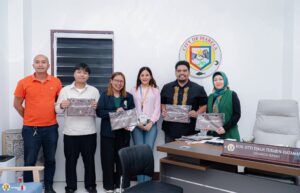
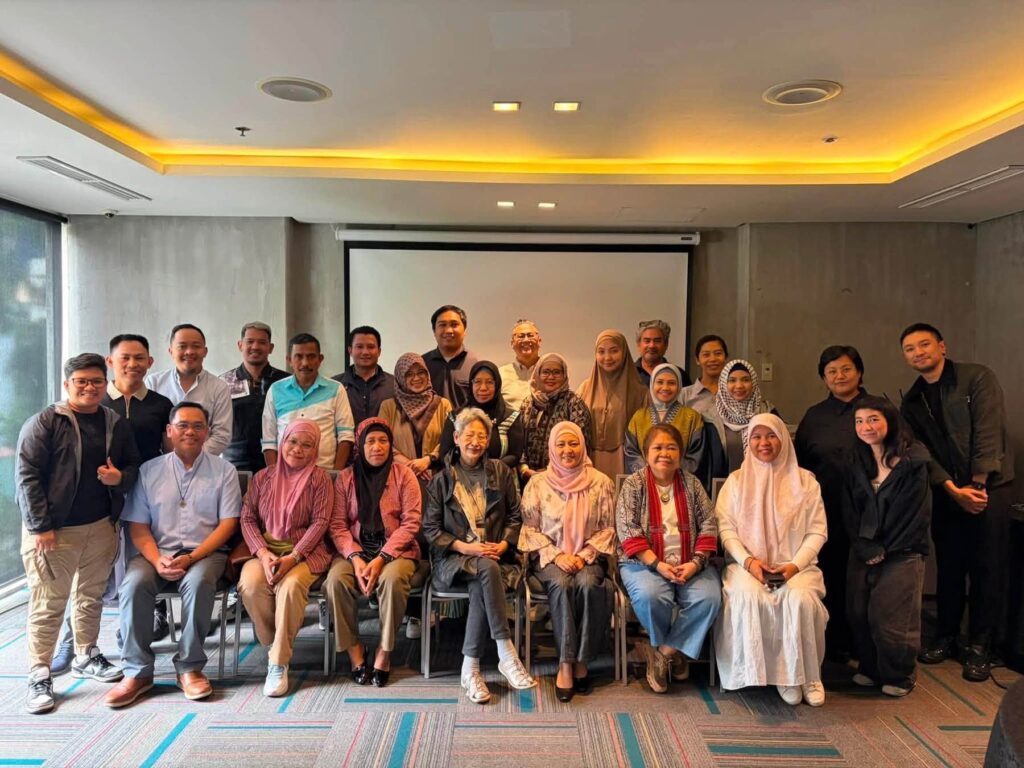
A renewed appreciation for the artistry and cultural significance of the Yakan Tennun took center stage during the Talk on Yakan Tennun and learning visit held on July 25–26. The activity was organized through the collaborative efforts of the Provincial Government of Basilan, led by Governor Mujiv S. Hataman, and the City Government of Isabela, headed by Mayor Sitti Djalia Turabin-Hataman, as part of the preparations for the formulation of the Basilan Tennun Roadmap and the Implementing Rules and Regulations (IRR) of the Tennun Cultural Heritage Ordinance of Basilan.
The two-day activity brought together cultural experts, researchers, government leaders, and Yakan senior weavers to establish a shared understanding of Tennun as an invaluable cultural heritage that deserves long-term protection, promotion, and preservation.
Renowned museum curator and researcher Marian Pastor-Roces delivered a comprehensive lecture on the Philippine textile tradition, focusing on the rich weaving heritage of Mindanao, particularly the Yakan Tennun. According to Pastor-Roces, Tennun is recognized as one of only four highly intricate weaving traditions in Southeast Asia, highlighting its exceptional place in the region’s cultural landscape.
She explained that the Yakan Tennun is distinguished not only by its subtle, non-primary color palette and intricate patterns but, more importantly, by its extraordinary weaving techniques. Tennun textiles, she noted, uses more than five distinct and highly complex weaving techniques, including tapestry weaving, twilling, and supplementary weft weaving—all of which are regarded as the most technically demanding weaving methods. These techniques reflect the exceptional craftsmanship, precision, and artistic mastery of Yakan weavers.
Pastor-Roces also pointed out that many of the original Yakan Tennun textiles preserved in museum collections were woven using silk, a material no longer commonly used by present-day weavers because it is no longer readily available. During the discussion, one of the Yakan senior weavers who attended the talk shared that while silk has become difficult to source, the traditional weaving knowledge has never been lost. She explained that if they were provided with the appropriate sud (reed or comb) and silk materials, Yakan weavers would still be able to recreate the original Tennun using the same intricate weaving techniques practiced by their ancestors. The discussion underscored that the greatest challenge today is not the loss of skill, but the lack of access to the traditional materials and tools needed to reproduce the historic textiles in their original form.
Pastor-Roces also observed that many Yakans—and even many Filipinos—have yet to fully appreciate the remarkable beauty and sophistication of their own textile heritage. According to her, understanding how Tennun is woven is essential to appreciating its true value.“If you know how it was made, then you will know how expert the one who made it.” She underscored the need for greater research, documentation, education, and preservation to ensure that this living tradition continues to thrive for generations to come.
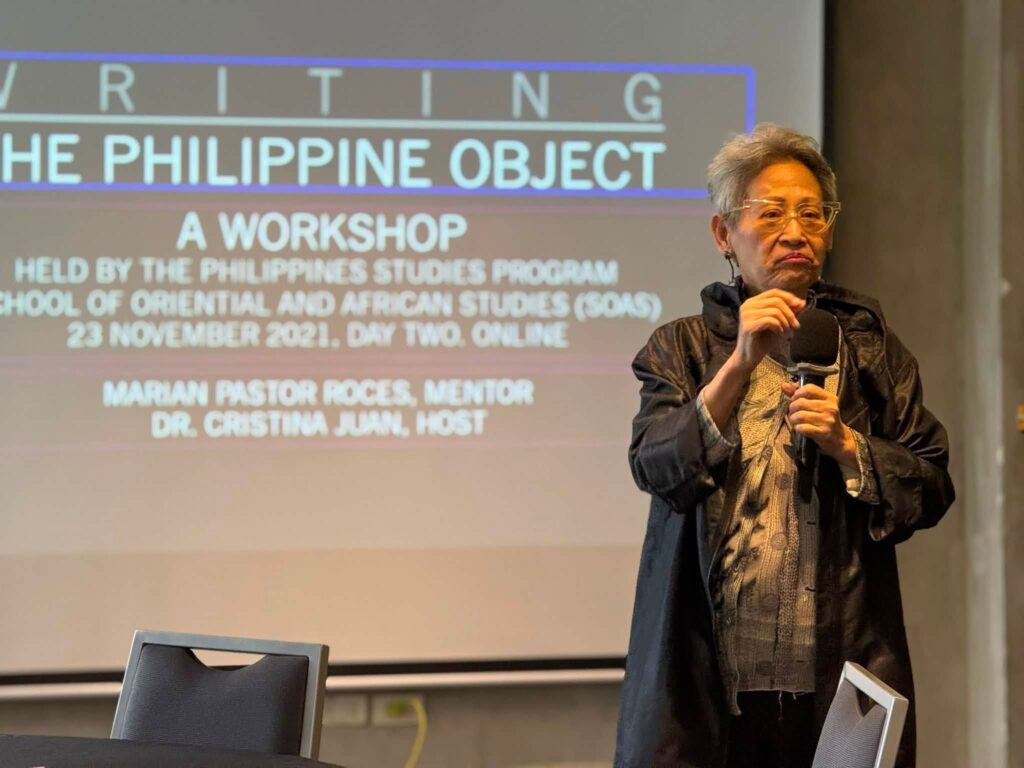
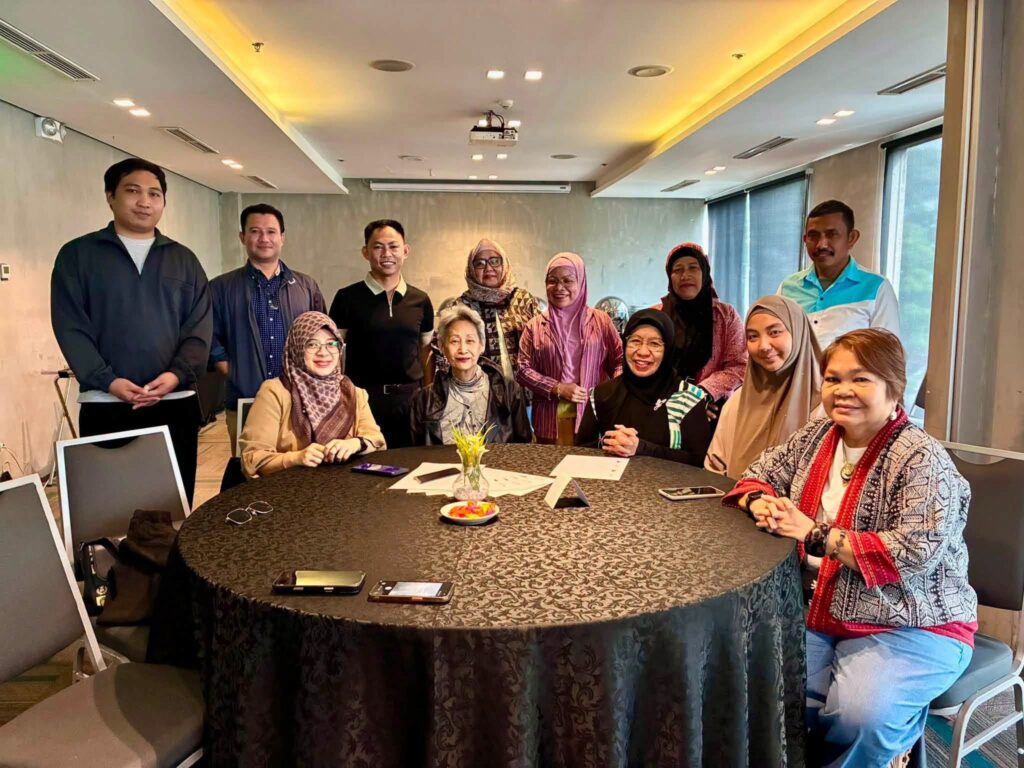
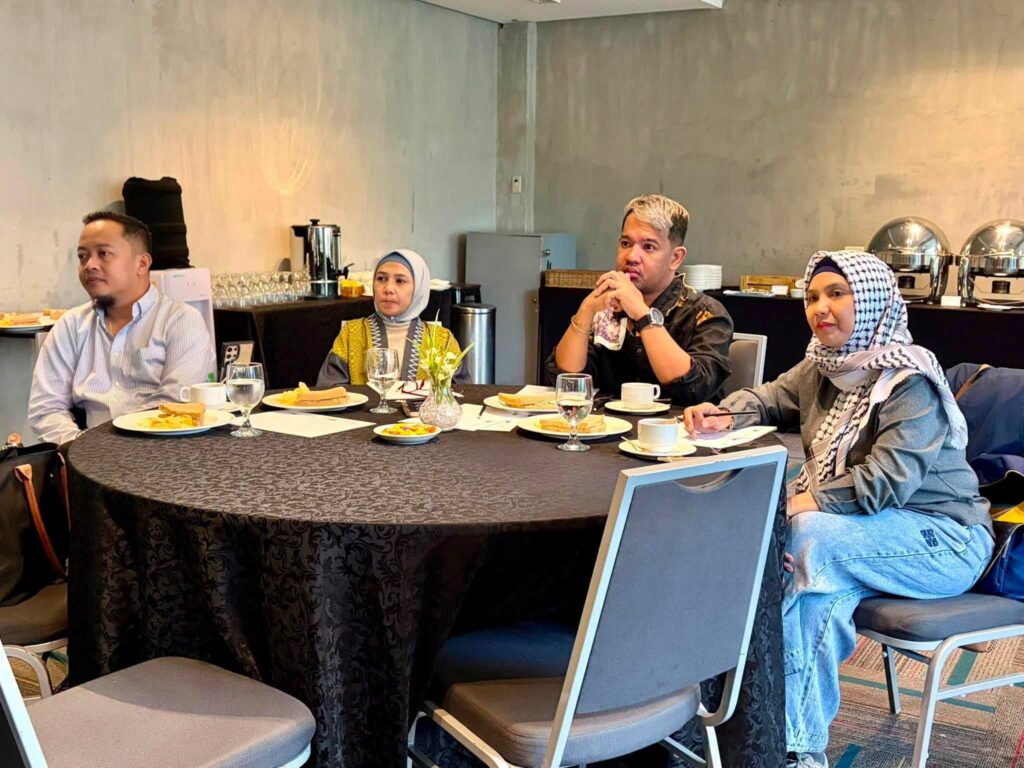
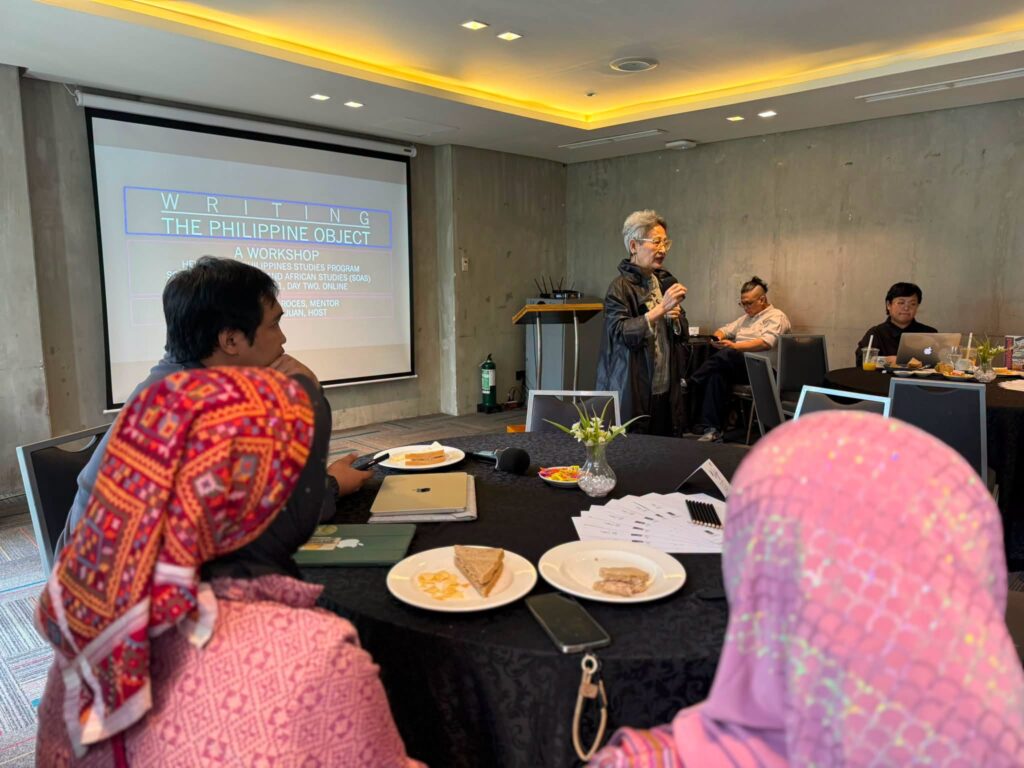
She also presented photographs of original Philippine textiles and explained how these fabrics were highly valued in pre-Hispanic society—not merely as clothing or symbols of prestige and identity, but as important objects used in bilateral kinship, reciprocity, and exchange. These heirloom textiles played vital roles in strengthening family ties, forging social relationships, and facilitating ceremonial and economic exchanges within communities. According to Pastor-Roces, they reflect the sophistication of early Philippine civilizations and the profound cultural meanings woven into every textile long before colonial influence.
Mayor Sitti Djalia Turabin-Hataman stressed that while Tennun provides livelihood opportunities for Yakan communities, preserving its authenticity, integrity, and cultural significance must remain the foremost priority.
Meanwhile, Governor Mujiv Hataman called for the review of the existing Tennun ordinance and the formulation of a clear IRR and strategic roadmap that actively involves Yakan weavers, recognizing them as the primary custodians of this living heritage.
On the second day, participants visited the Ayala Museum to explore the “Sinulid at Habi” exhibition and the museum’s renowned Gold Collection. The visit deepened their appreciation of the Philippines’ rich textile traditions and ancient craftsmanship, demonstrating that the country’s woven textiles and gold artifacts rank among the world’s finest cultural treasures.
As Basilan advances efforts to institutionalize stronger policies for Tennun conservation, the activity served as a reminder that safeguarding Tennun is not simply about preserving a weaving tradition—it is about protecting the identity, history, creativity, and dignity of the Yakan people.
Together, let us champion authentic Basilan Tennun. By supporting Yakan weavers, promoting ethical and authentic weaving practices, strengthening cultural education, and empowering the next generation of artisans, we can ensure that this extraordinary heritage continues to inspire pride in Basilan and earn the recognition it deserves around the world. (Words and Photos by M. Lim, CIO)