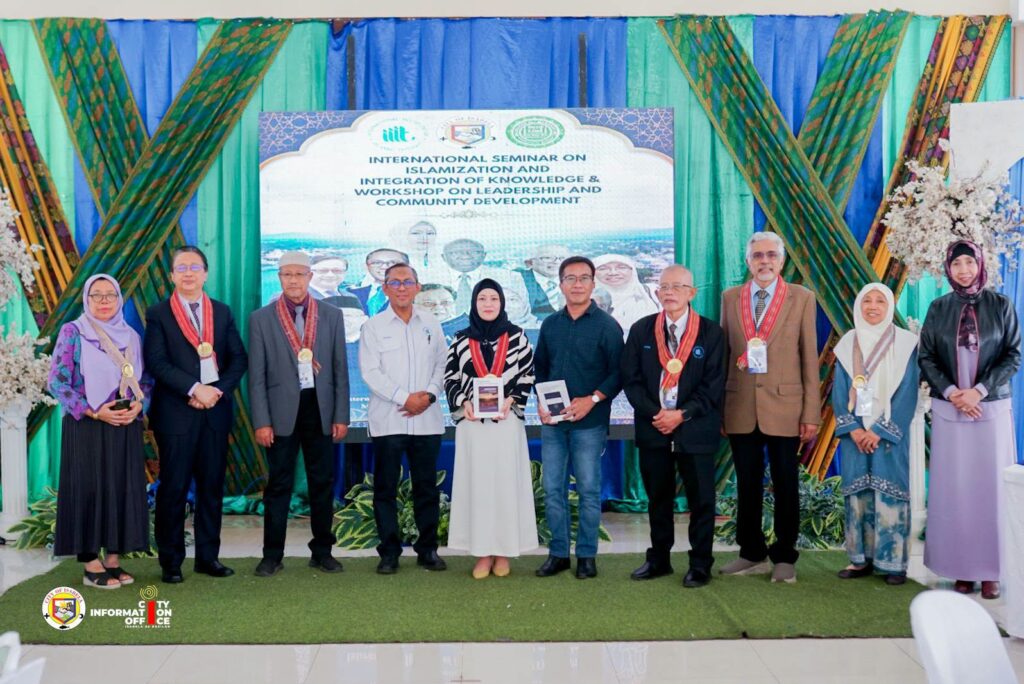
Scholars, educators, community leaders, and advocates of knowledge-driven development gathered in the City of Isabela for the International Seminar on Islamization & Integration of Knowledge and Workshop on Leadership & Community Engagement, August 29, at Kasinnahan Hotel and Resort, Isabela City, Basilan.
Mayor Sitti Djalia A. Turabin-Hataman personally graced the gathering and underscored the importance of integrating knowledge in building stronger communities. She emphasized that integration of knowledge means bringing together different areas of learning to create meaningful and responsive solutions to the challenges of our time.
Mayor Turabin-Hataman likewise challenged participants to take an active role in addressing community concerns and to make a difference through their respective fields. She stressed that true leadership is founded on service, compassion, and a deep understanding of the aspirations and needs of the community.
Organized by the International Institute of Islamic Thought (IIIT) East and Southeast Asia, in collaboration with the City Government of Isabela and Madrasah Al-Manarah, the two-day seminar-workshop, held on August 29–30, 2026, brings together distinguished Islamic scholars, educators, leaders, and community stakeholders to discuss education, integration of knowledge, leadership, and community engagement in responding to contemporary challenges.
The gathering forms part of a continuing effort to explore how education can become a stronger instrument for developing ethical leaders, empowering communities, and creating solutions grounded in the real needs of the people.
During the seminar, Dr. Alizaman D. Gamon emphasized the importance of creating solutions that respond to the realities of communities, stressing that educational institutions and community programs must serve as instruments in addressing social challenges.
He highlighted the need to guide and empower the youth, recognizing them as among the key contributors in shaping the future. Through meaningful programs, proper mentorship, and strengthened institutions, young people can be provided with opportunities to become responsible leaders and active contributors to community development.
The discussions also underscored the concept of Integration of Knowledge (IOK)—a framework that promotes the harmony of different fields of learning while ensuring that education remains anchored on values, ethics, and service.
Speakers emphasized that in Islam, knowledge should not create separation but should instead encourage understanding, responsibility, unity, and meaningful engagement with society. Through integrated education, learners are prepared not only academically but also morally and socially, enabling them to become ethical leaders and responsible members of their communities.
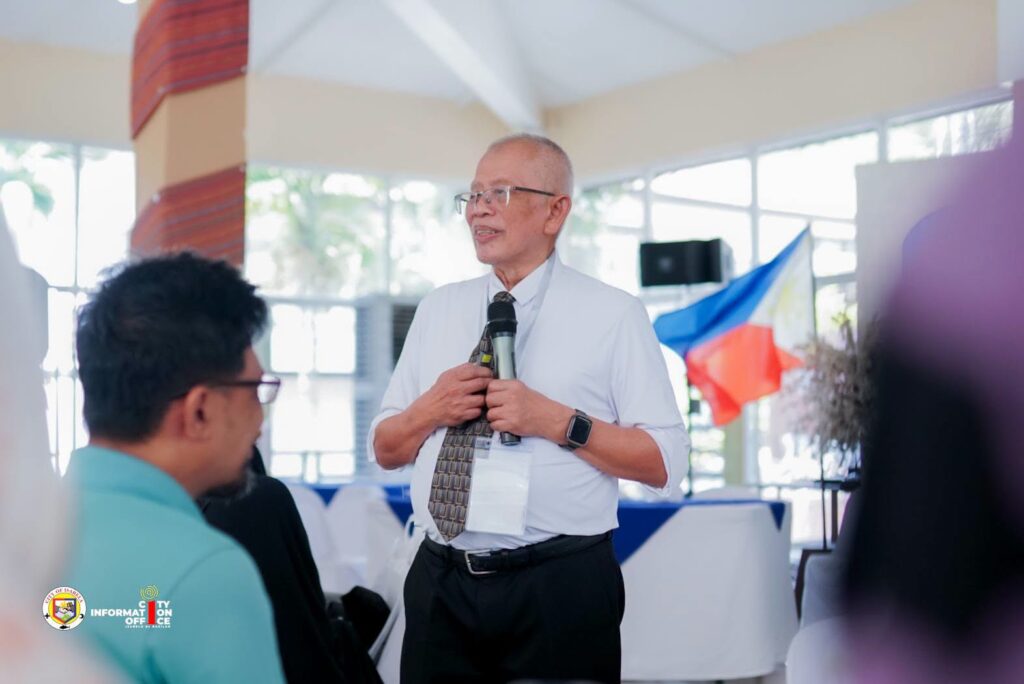
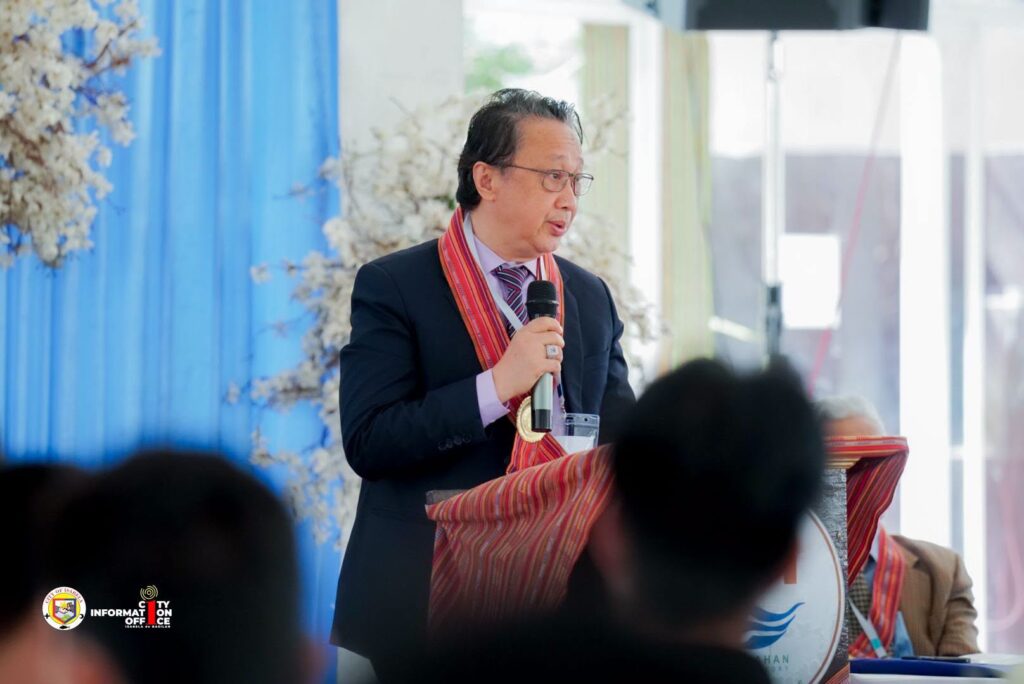
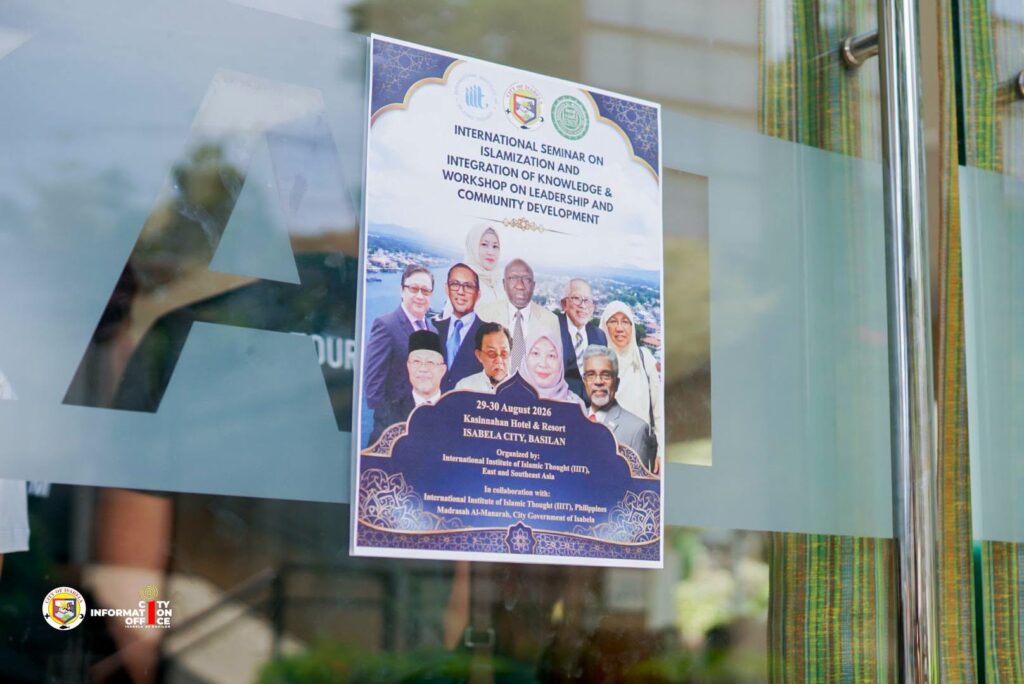
The first day of the seminar featured six parallel sessions, providing participants with discussions centered on education, Islamic studies, knowledge integration, leadership, and community development.
The Day 1 parallel sessions included:
Session 1: Developing Future Leaders Through Education and Economic Empowerment
Prof. Emeritus Dato’ Wira Dr. Jamil Osman
Session 2: RC-AKIC and the Integration of Knowledge (IOK): A Muslim Educational Response to the Challenges of Contemporary Education in the Philippines
Dr. Asnawi G. Ronsing
Session 3: Advancing Islamic Studies in the Philippines: The Evolution of UP Institute of Islamic Studies and the Pursuit of an Integrated Knowledge Framework
Dr. Julkipli M. Wadi
Session 4: Developing IOK Curriculum for Islamic Education in Schools
Emerita Prof. Dr. Rosnani Hashim
Session 5: Role of Teachers & Counselors in Dealing with Mental Health Issues in Schools
Prof. Dr. Rahmatullah Khan
Session 6: The Role of Waqf Properties and Zakat Institutions in the Development of Islamic Educational Institutions in the Philippines: Issues and Challenges
Dr. Alizaman D. Gamon
The discussions continued on the second day, August 30, through additional parallel sessions designed for specific groups of students, educators, school administrators, and community stakeholders.
The Day 2 parallel sessions included:
Session 7: Artificial Intelligence, Social Media, and the Future of Muslim Leaders
Col. (Hon.) Prof. Dato’ Dr. Mohamad Fauzan Noordin
Session 8: IIUM as a Model of the Integration of Knowledge: Shaping the Future of the Muslim Ummah through Holistic Education
Dr. Alizaman D. Gamon
Session 9: Hikmah Pedagogy
Emerita Prof. Dr. Rosnani Hashim
Session 10: Role of Teachers & Counselors in Dealing with Mental Health Issues in Schools
Prof. Dr. Rahmatullah Khan
Session 11: Islamic Social Finance: A Tool for Developing Muslim Communities
Prof. Datin Wira Dr. Nurdianawati Irwani Abdullah
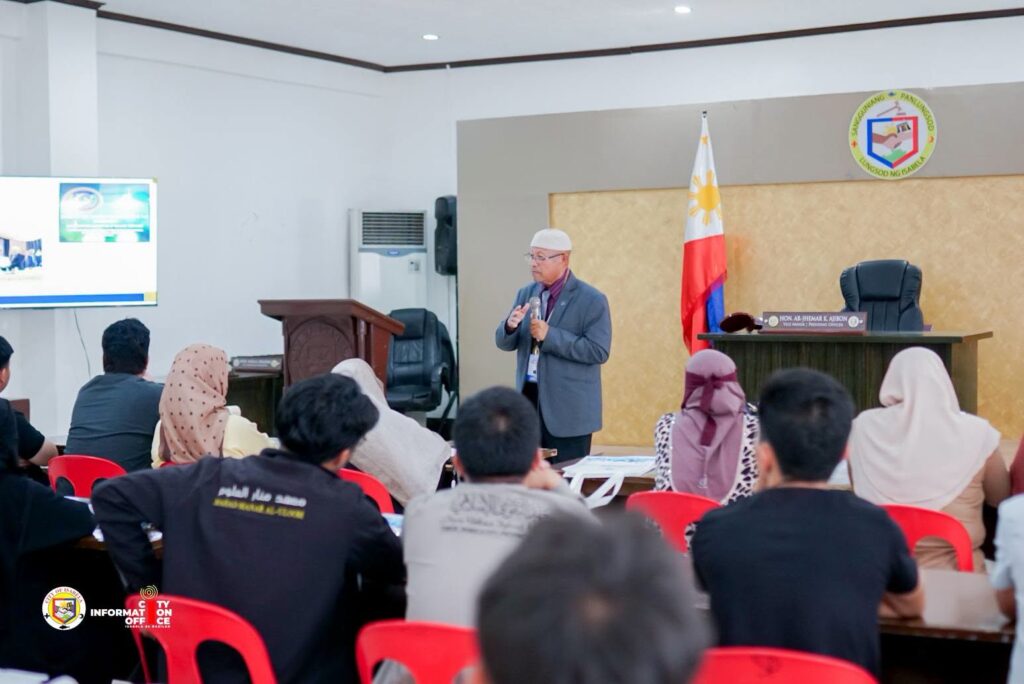
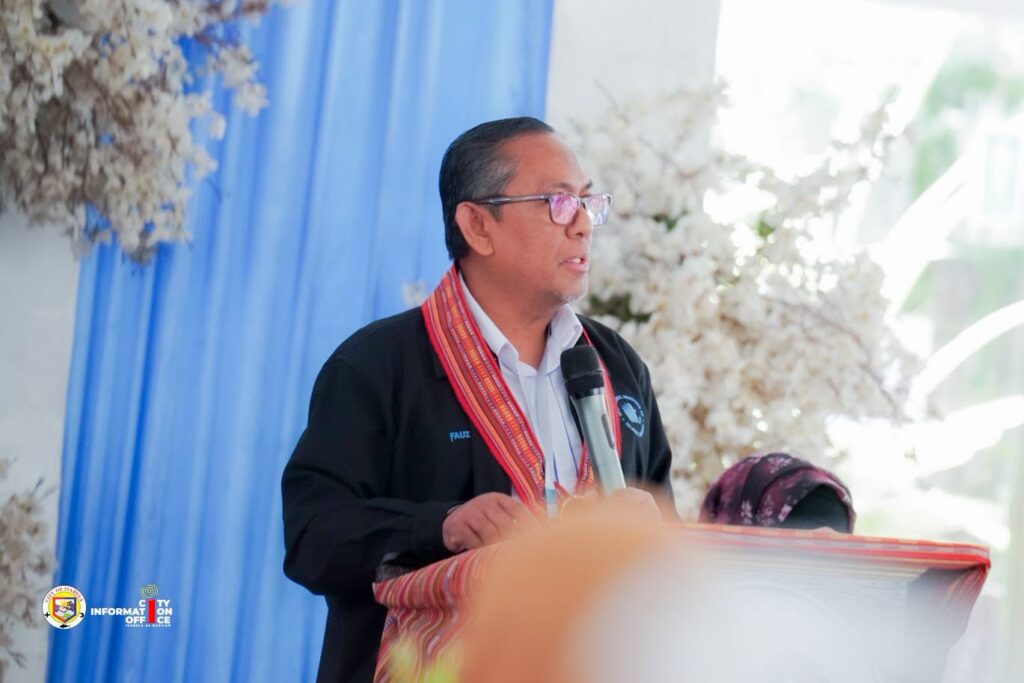
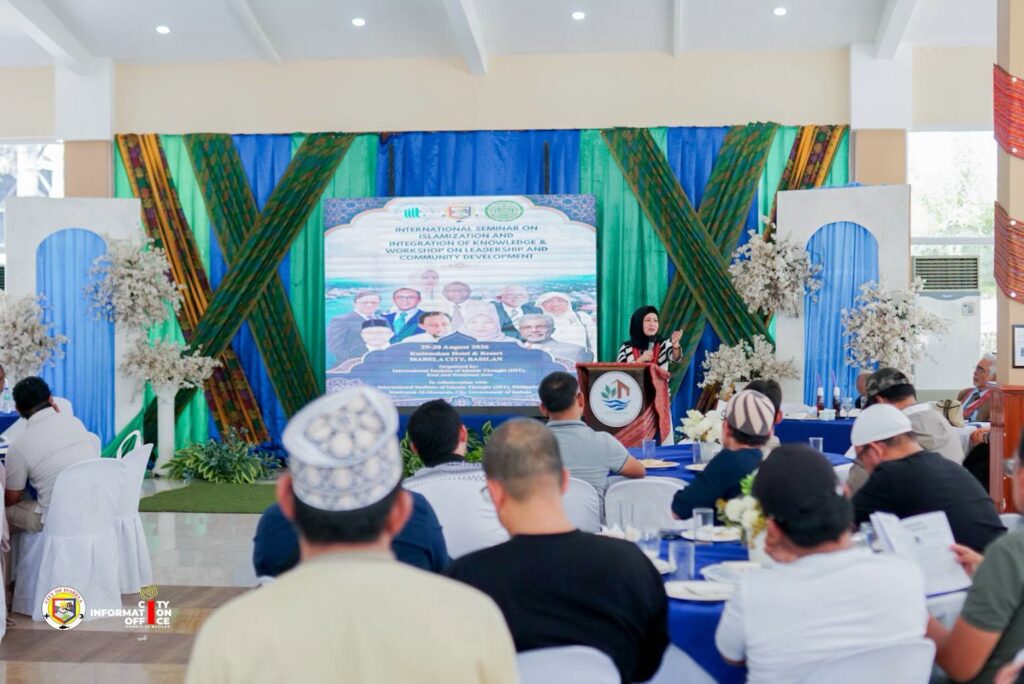
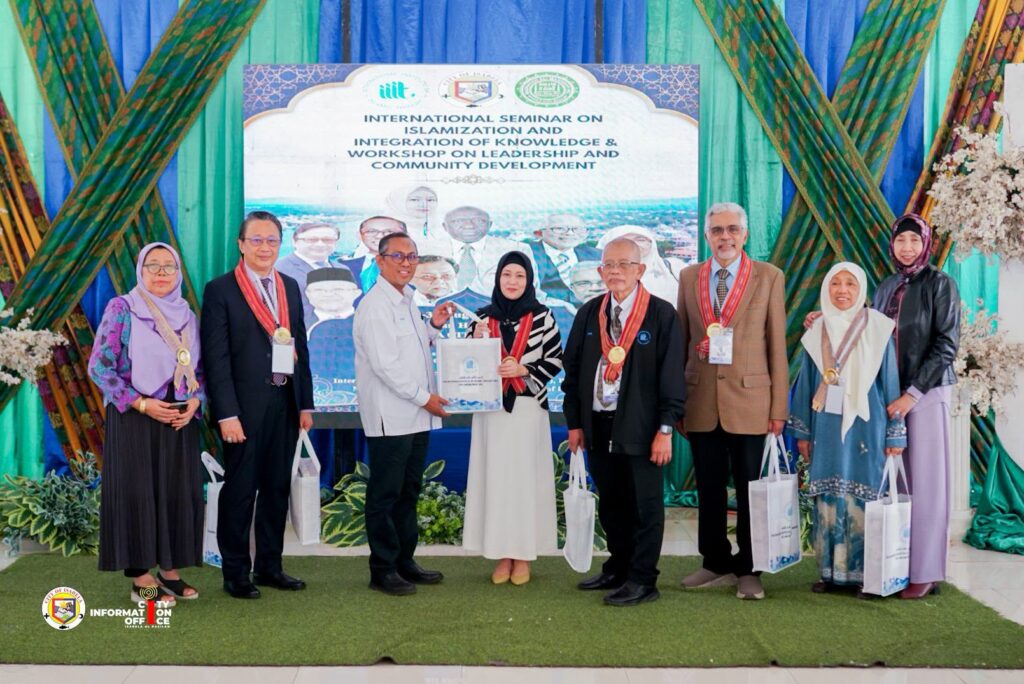
With 11 sessions conducted across the two-day seminar-workshop, participants were given opportunities to explore the different dimensions of knowledge integration—from Islamic education and curriculum development to leadership, artificial intelligence and social media, mental health, economic empowerment, and Islamic social finance.
Aside from Islamization and integration of knowledge, the gathering also tackled leadership and community engagement, artificial intelligence and social media, economic empowerment, and community development, providing participants with a wider perspective on the emerging challenges and opportunities facing education and communities today.
The seminar also recognized the tremendous potential of Basilan, emphasizing that with education, collaboration, and effective leadership, the province can continue to transform its challenges into opportunities for growth and progress.
The gathering served as more than an academic exchange—it became a shared commitment among educators, scholars, leaders, and stakeholders to strengthen communities through knowledge, engagement, and inclusive development.
As the seminar concluded, participants reaffirmed their collective vision of producing future leaders who are guided by values, equipped with knowledge, responsive to the needs of their communities, and dedicated to meaningful service.


