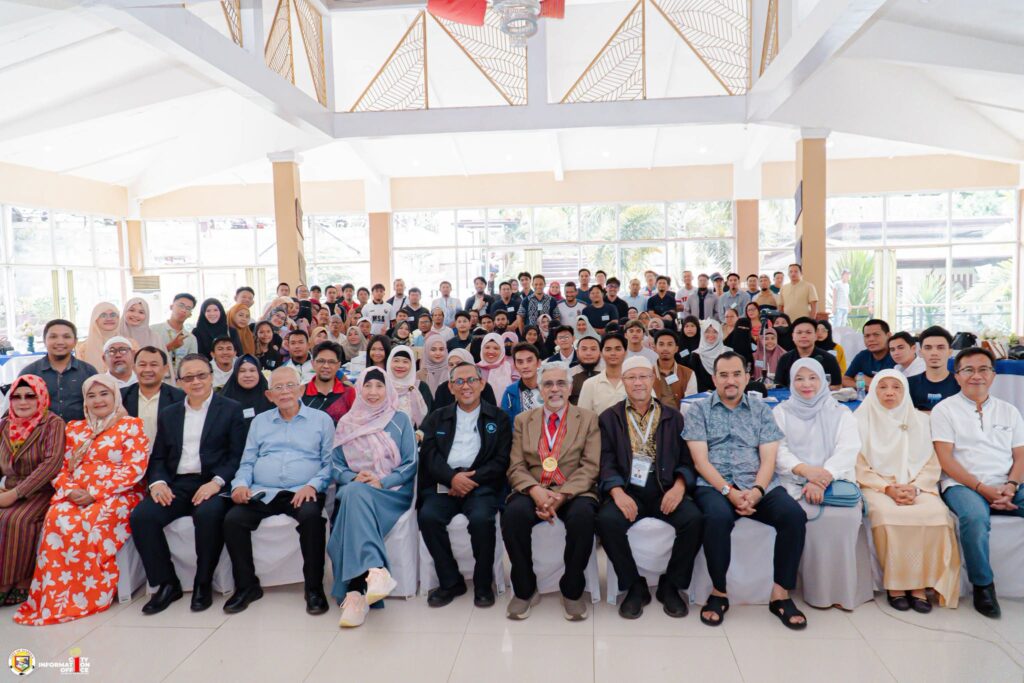
The International Seminar on Islamization & Integration of Knowledge and Workshop on Leadership & Community Engagement continued on its second day, August 30, bringing together scholars, educators, students, and community stakeholders for a deeper exploration of leadership, education, technology, mental health, and community development.
Following the discussions on the first day, the second day featured five parallel sessions, bringing the seminar-workshop to a total of 11 sessions across the two-day gathering. The sessions further expanded the conversation on how knowledge, values, and innovation can be harnessed to prepare individuals and communities for the challenges of a rapidly changing world.
Among the key discussions was the growing influence of technology on leadership and society through Session 7: “Artificial Intelligence, Social Media, and the Future of Muslim Leaders,” led by Col. (Hon.) Prof. Dato’ Dr. Mohamad Fauzan Noordin.
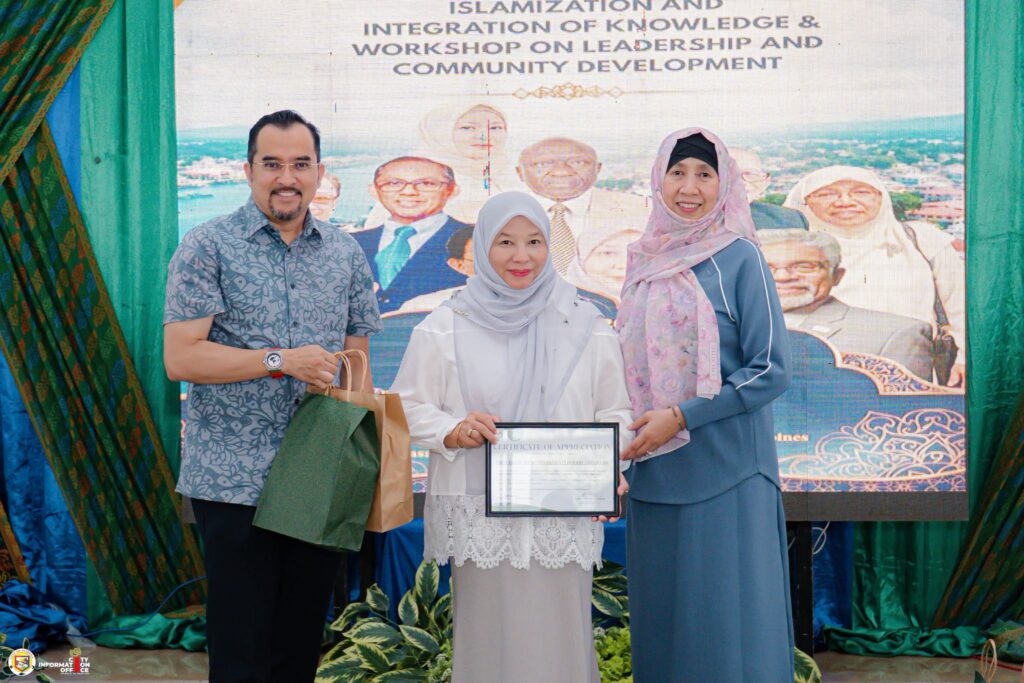
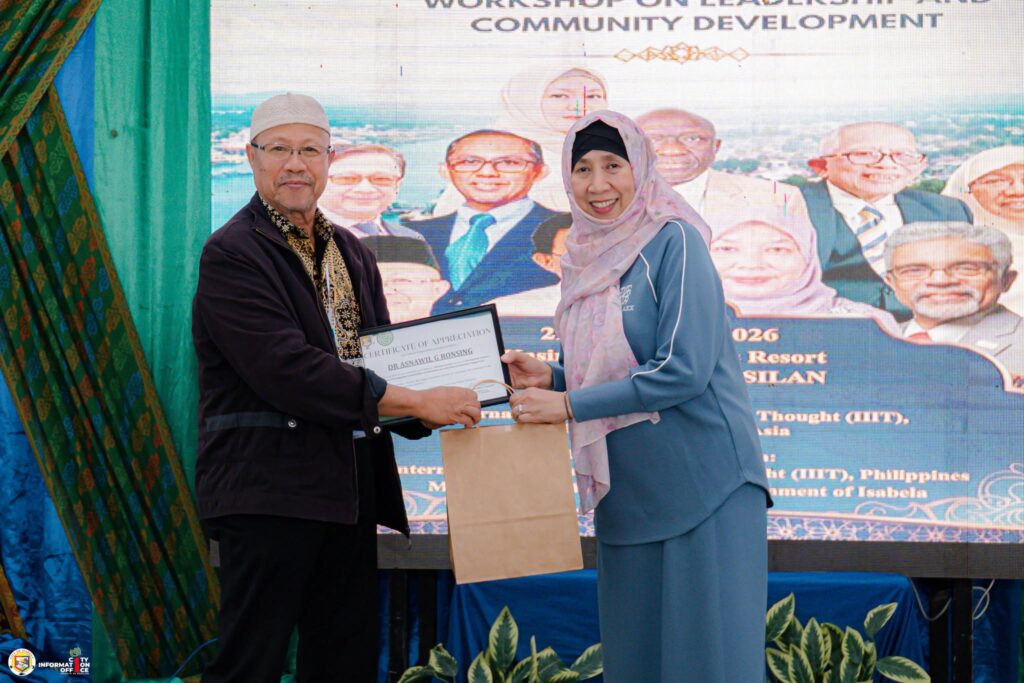
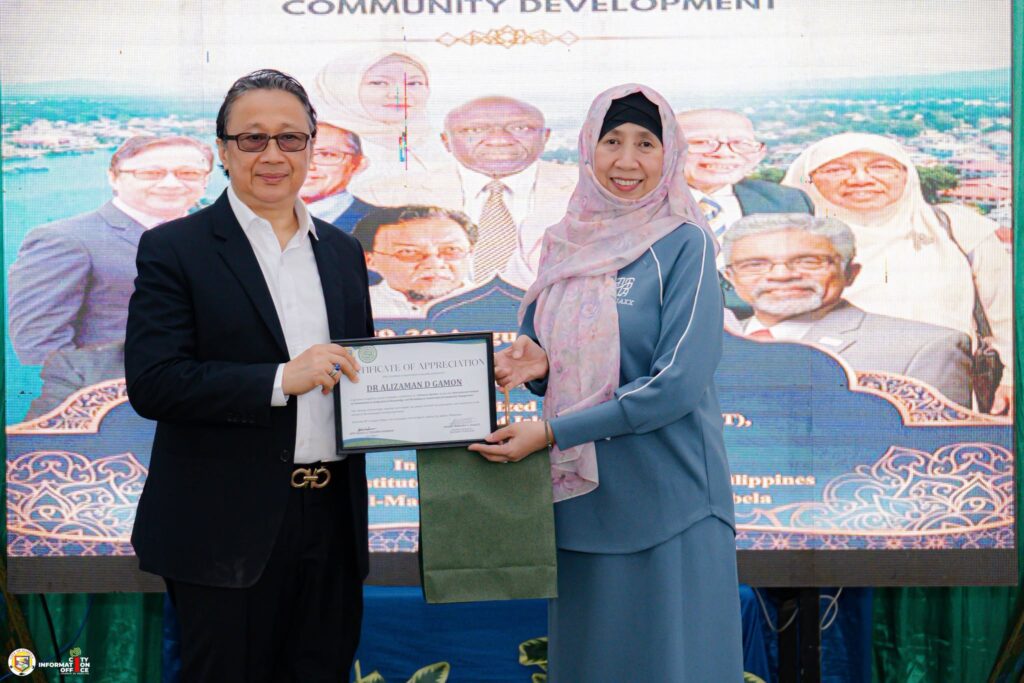
The session explored the opportunities and challenges presented by artificial intelligence and social media, particularly in shaping the perspectives, behavior, and leadership capacities of the younger generation. It emphasized the importance of responsible engagement with technology and the need for future leaders to remain guided by ethical values amid the rapid advancement of digital platforms.
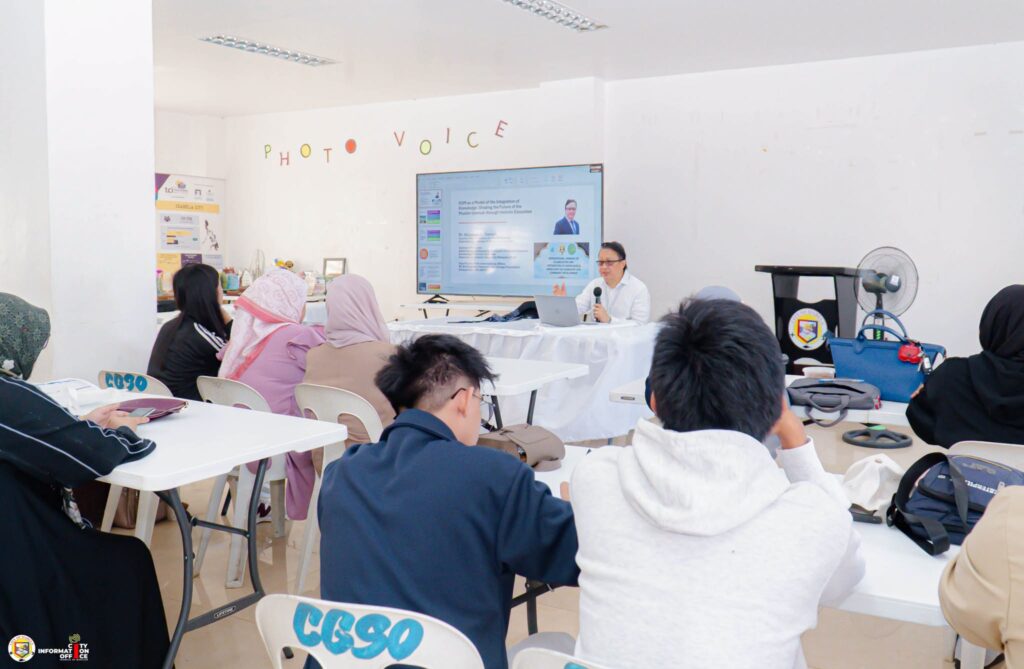
The seminar continued its focus on holistic education through Session 8: “IIUM as a Model of the Integration of Knowledge: Shaping the Future of the Muslim Ummah through Holistic Education,” presented by Dr. Alizaman D. Gamon.
The discussion highlighted the importance of an educational framework that does not separate academic learning from values formation, character development, and social responsibility. Through the integration of knowledge, education can help develop individuals who are not only academically capable but also prepared to contribute meaningfully to society.
Meanwhile, Emerita Prof. Dr. Rosnani Hashim led Session 9: “Hikmah Pedagogy,” introducing participants to approaches in education that place emphasis on wisdom, reflection, understanding, and meaningful learning.
The session reinforced the role of educators in shaping learners beyond academic achievement, encouraging teaching approaches that cultivate critical thinking, sound judgment, values, and responsible action.
The importance of creating supportive educational environments was likewise highlighted in Session 10: “Role of Teachers & Counselors in Dealing with Mental Health Issues in Schools,” facilitated by Prof. Dr. Rahmatullah Khan.
The discussion emphasized the significant role of teachers and counselors in recognizing and responding to the needs of learners, while promoting school environments where students can feel supported, understood, and guided.
Closing the Day 2 sessions was Session 11: “Islamic Social Finance: A Tool for Developing Muslim Communities,” led by Prof. Datin Wira Dr. Nurdianawati Irwani Abdullah.
The session explored the potential of Islamic social finance in strengthening communities and supporting inclusive development. It highlighted how financial mechanisms rooted in social responsibility can contribute to empowerment, sustainability, and improved opportunities for communities.
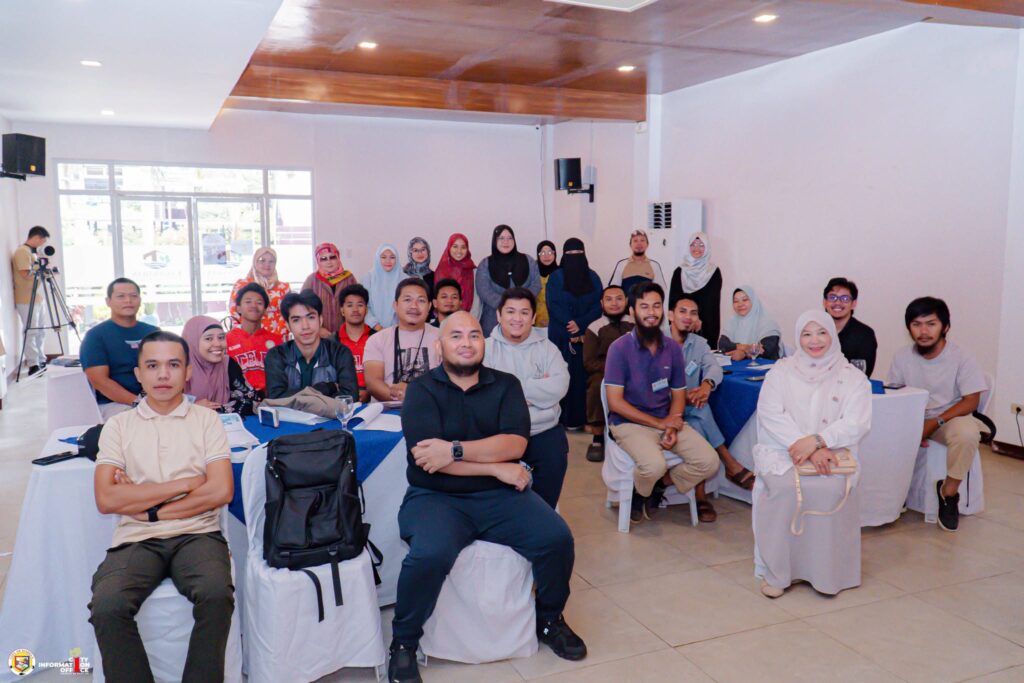
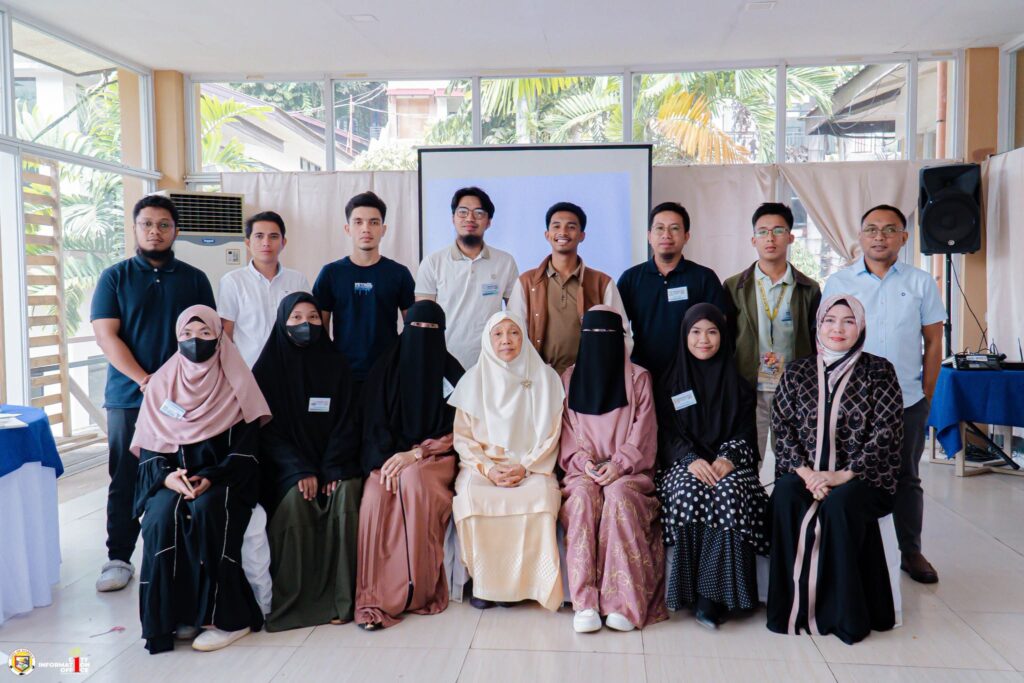
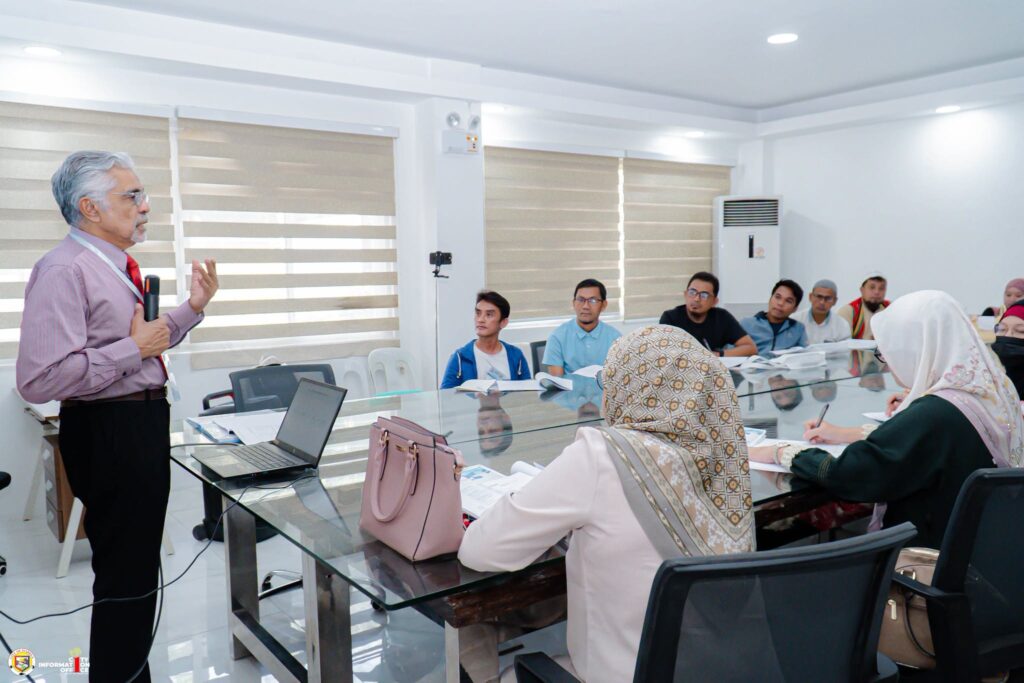
Across the five sessions, the second day of the seminar demonstrated that the integration of knowledge extends beyond academic disciplines. It also encompasses technology, leadership, mental well-being, education, social responsibility, and community empowerment.
The discussions further emphasized the importance of preparing young people not only to become successful professionals but also to become ethical, compassionate, responsible, and community-oriented leaders.
For Basilan, the gathering provided an opportunity to recognize the province’s potential as a place where education, leadership, and collaboration can become powerful drivers of development. By investing in people and strengthening institutions, communities can transform challenges into opportunities and build a future anchored on dignity, inclusion, and shared progress.
The two-day seminar-workshop ultimately served as a platform for meaningful exchange among scholars, educators, leaders, and stakeholders, strengthening a collective commitment to make knowledge more relevant and responsive to the realities of communities.
With all 11 sessions completed, the gathering reaffirmed a shared vision: that education must not only produce knowledgeable individuals, but also values-driven leaders who understand their responsibilities, embrace innovation, serve their communities, and contribute to building a better future for all.


