
𝗟𝗚𝗨 𝗜𝗦𝗔𝗕𝗘𝗟𝗔 𝗖𝗘𝗟𝗘𝗕𝗥𝗔𝗧𝗘𝗦 𝗪𝗢𝗥𝗟𝗗 𝗧𝗢𝗨𝗥𝗜𝗦𝗠 𝗠𝗢𝗡𝗧𝗛 𝗪𝗜𝗧𝗛 ‘𝗠𝗔𝗞𝗔𝗡𝗔𝗬𝗢𝗡’, 𝗔 𝗧𝗛𝗥𝗘𝗘-𝗗𝗔𝗬 𝗖𝗨𝗟𝗧𝗨𝗥𝗔𝗟 𝗟𝗘𝗔𝗗𝗘𝗥𝗦𝗛𝗜𝗣 𝗪𝗢𝗥𝗞𝗦𝗛𝗢𝗣 | Culture, heritage, and tourism took center stage in Isabela City from September 28 to 30, as the City Government of Isabela, under the leadership of Mayor Sitti Djalia Turabin-Hataman, through City Tourism Office led by CTO Claudio Ramos II, hosted the Cool-Tour-Ah Makanayon: Isabela Makanayon — Philippine Cultural Leadership Workshop for Tourism Practitioners at the Sangguniang Panlungsod (SP) Session Hall, Isabela City Hall Complex.
The workshop was held in celebration of World Tourism Month 2026 and the Philippine Creative Industries Month, where the Nayong Pilipino Foundation and the Department of Tourism (DOT) were partners. The three days aimed to strengthen cultural leadership, deepen appreciation for Philippine heritage, and promote sustainable, culturally responsible tourism among local stakeholders.
DAY 1
The opening program began with remarks from Liliosa Libosada, Division Chief of the DOT Office of Product Development, where she spoke of Isabela City’s potential as a premier tourism destination in Mindanao, and said that beyond landscapes and attractions, it is the people who make a place special. Dr. Mary Grace Ac-Ac, Board of Trustee of the Nayong Pilipino Foundation, followed with an inspirational message that urged participants to uphold integrity, respect one another despite differences, and recognize every community’s role in nation-building.
A video message from Senator Loren Legarda highlighted the link between culture, heritage, and tourism. Representing the City Government, City Administrator Pedrito Eisma underscored the City’s 9-Point Agenda and the role of tourism in promoting Isabela de Basilan’s identity.
The workshop proper started with Module 1, Makatao, facilitated by April Joy Dopeño, on people-centered leadership, empathy, and respect. Module 2, Makakalikasan, facilitated by Kim Sinchioco, focused on environmental responsibility and the part tourism practitioners play in protecting the natural resources their communities depend on.
DAY 2
Mayor Turabin-Hataman delivered her Message of Support and underscored the importance of cultural appreciation and of weaving the city’s heritage into tourism development. She encouraged the participants to keep learning from the people in their own communities, who know their stories best.
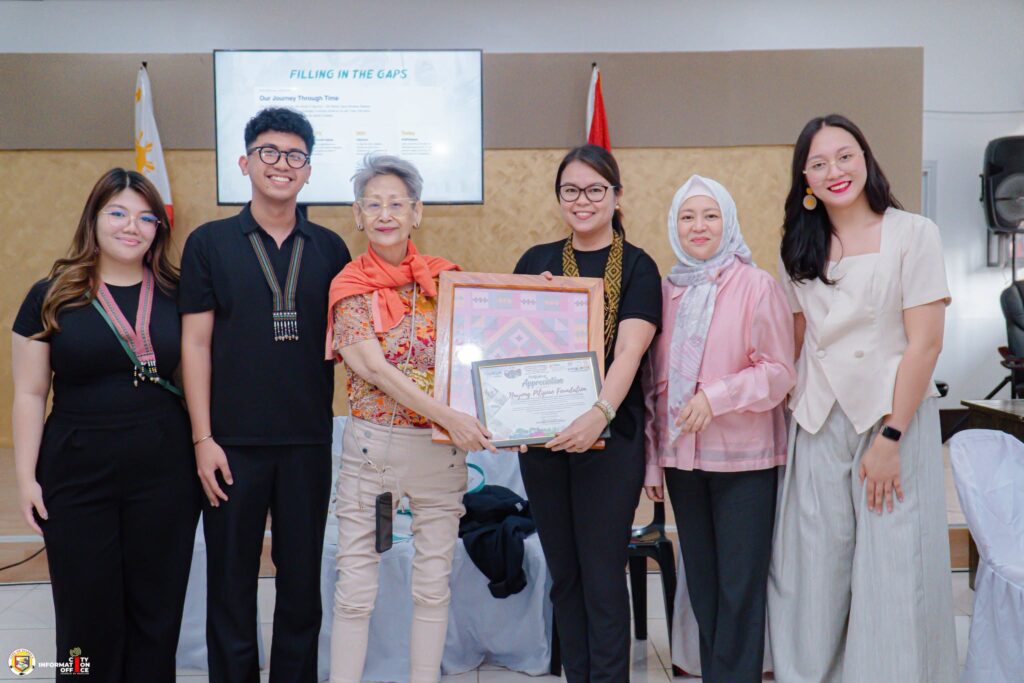
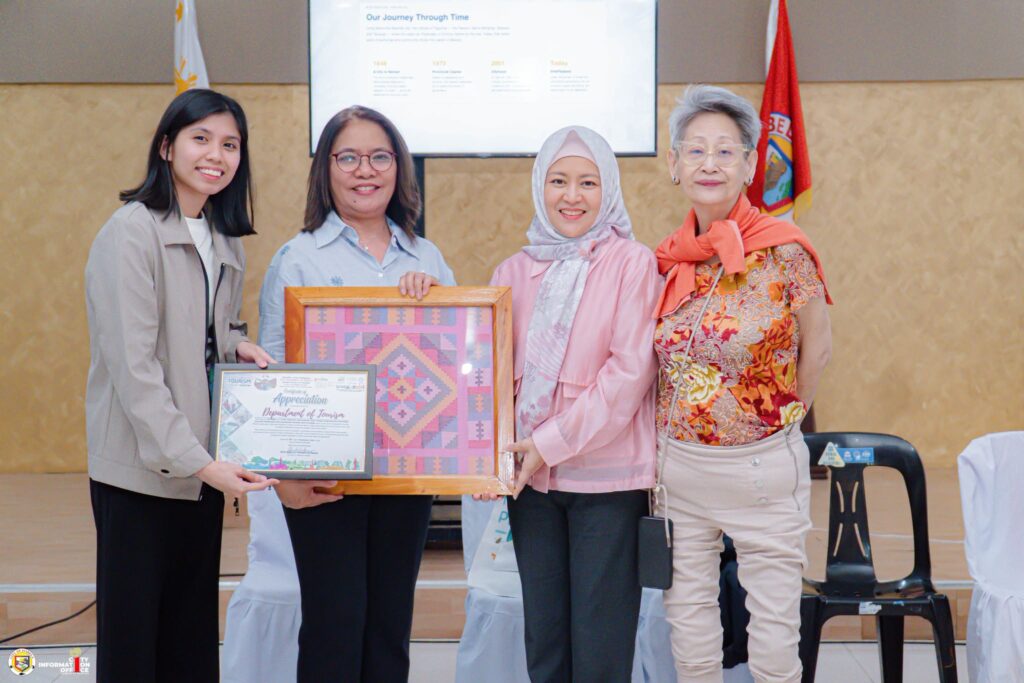
Curator Marian Pastor Roces then shared a thought-provoking talk on the difference between tourism and culture and the arts. Tourism, she explained, carries a marketing mission, while culture and the arts are about integrity, dignity, and understanding where people come from. The two are connected, but each has its own purpose and value. Libosada and Dr. Ac-Ac also expressed their gratitude to the LGU for hosting the workshop and its commitment to culture-based tourism.
Two more modules followed. Module 3, Mapanagutan, facilitated by Riel Cruz, centered on accountability, responsibility, and integrity in serving communities. Module 4, Makabayan, facilitated by Lienel De Castro, highlighted love of country, appreciation of Filipino culture, and the responsibility of preserving local identity.
DAY 3
City Information Officer and GAD Focal Head Mendry Ann Lim delivered a message on the importance of gender-responsive and inclusive approaches in community development and tourism. Basilan District 1 Board Member Ahmed Djaliv Hataman also gave a message of support, recognizing the value of building the capacity of local tourism practitioners and stakeholders.
The last module was facilitated by Paul John Hernandez. It encouraged participants to take pride in the country’s cultural heritage and to see themselves not only as tourism practitioners but also as stewards and storytellers of the communities they represent.
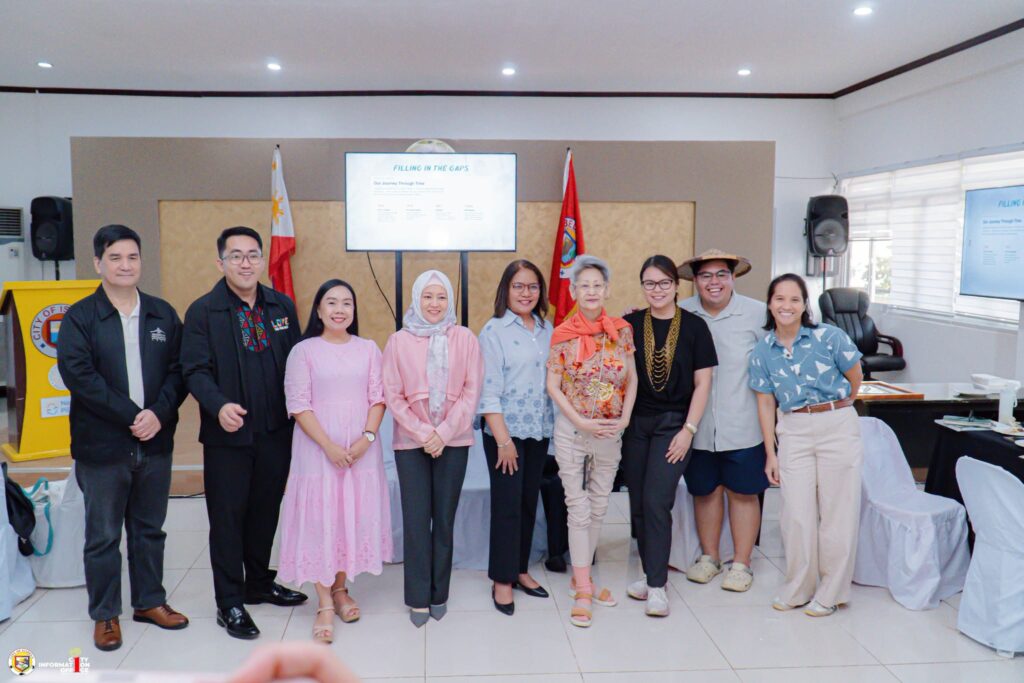
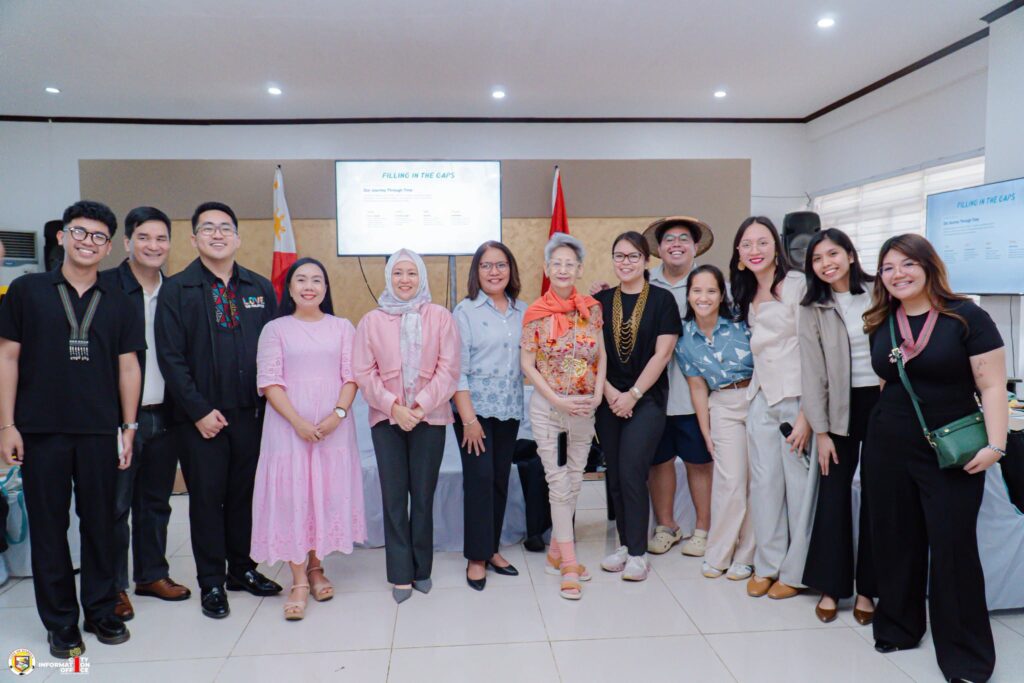
Throughout the three days, participants took part in discussions, interactive activities, reflection exercises, and knowledge-sharing sessions, connecting cultural values with their roles as tourism practitioners and community leaders.


